The Path to Grace
Reclaiming Yourself Beyond Inherited Pain
It started with me.
For most of my life, I thought I was healing my own pain.
And in many ways, I was.
I worked through grief. I worked through trauma. I worked through relationships, loss, fear, shame, guilt, anger, and all of the things many of us spend years trying to understand.
But eventually I began noticing something.
Some of the things I was carrying didn't seem to belong entirely to me.
The reactions and emotions were mine.
The coping mechanisms were mine.
But the roots seemed older.
Much older.
As I began looking more honestly at my family history, I started seeing patterns repeating across generations. The same fears. The same silence. The same emotional wounds. The same survival strategies being passed from one generation to the next like an unwanted family heirloom.
And for the first time, I began asking a different question.
Not:
"What's wrong with me?"
But:
"What am I carrying that never truly belonged to me in the first place?"

The Path to Grace is an 8-part self-paced healing journey designed to help you understand inherited emotional patterns, reconnect with yourself, and begin living from truth instead of survival.
Through lessons, guided meditations, reflection exercises, and a comprehensive workbook filled with journaling prompts and integration practices, you'll move through eight stages designed to help you understand what you've been carrying, release what no longer belongs to you, and reconnect with yourself.

Sometimes, it’s not about fixing yourself.

Sometimes it's about understanding yourself.
One of the biggest misconceptions about healing is that every uncomfortable emotion means something is broken.
I don't believe that.
I think many people are walking around carrying stories, beliefs, fears, responsibilities, grief, and emotional burdens they inherited long before they had the ability to choose differently.
Not because their families were bad.
Not because anyone intentionally caused harm.
But because pain has a way of traveling through generations when no one has the opportunity to name it.
What remains unspoken often becomes inherited.
This work changed my life.
The Path to Grace grew out of my own healing journey, but it didn't stop there.
The deeper I went into my own healing, the more I began noticing patterns which seemed to stretch far beyond my own experiences.
I started recognizing pieces of myself in the generations which came before me. The fears no one talked about. The grief no one knew how to process. The expectations people carried. The roles they stepped into because survival demanded it.
Over time, I began to understand how easily survival can become identity.
We learn to be who we need to be in order to make it through. The caretaker. The peacekeeper. The achiever. The rescuer. The one who never asks for help. After a while, those roles can feel so familiar we mistake them for who we are.
Eventually there comes a moment when we begin asking a different question.
Not just who am I? But who might I have been without all of this? This isn't about blaming parents or grandparents.
It isn't about digging through family history looking for villains.
It's about understanding that pain often travels through generations until someone is willing to look at it differently.
And sometimes, that someone is you.
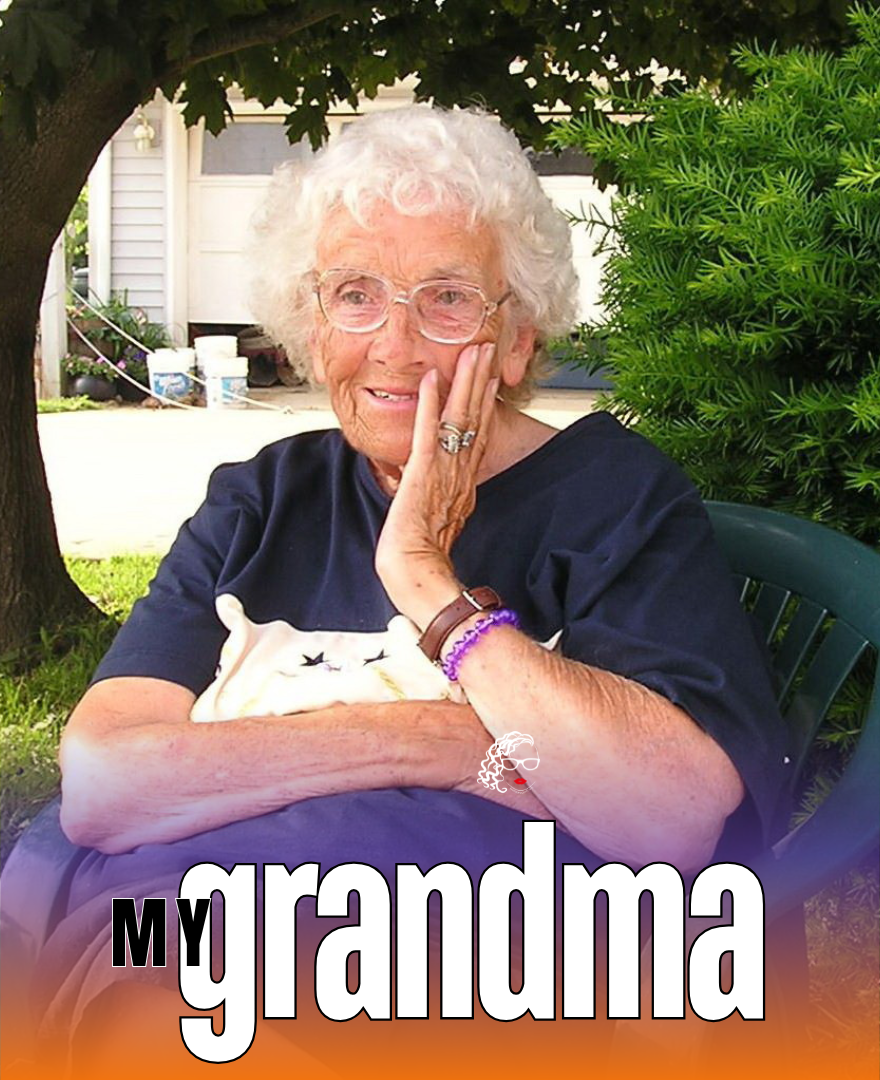
Five Signs You May Be Carrying More Than Your Own Story
You feel responsible for everyone else's happiness.
You walk into a room and immediately start managing energy. You know who's upset, who's uncomfortable and it feels like your job to fix it.

Rest makes you uncomfortable.
The moment you slow down, guilt shows up. There is always one more thing to do, one more person to help, one more responsibility demanding your attention.

Your reactions feel bigger than the situation.
Sometimes a disagreement, criticism, or disappointment hits harder than it should. It's as though something much older is being touched.

You understand the pattern, but it keeps show up.
You've promised yourself things would be different. Yet somehow the same patterns keep showing up in relationships, boundaries, or the way you speak to yourself.

You've become so accustomed to surviving that you're not entirely sure who you are without it.
After years of being the caretaker, peacekeeper, achiever, or strong one, it can be difficult to remember who you are beneath those roles.

None of these things mean there's something wrong with you. In fact, they often make perfect sense once you begin understanding where they came from.
That's the work we'll be doing inside The Path to Grace.
You may find yourself here if...
Life looks fine on the outside, but you're exhausted underneath it all.
Not necessarily because something terrible is happening right now, but because you've spent years carrying responsibilities, expectations, emotions, and burdens which never seemed to belong entirely to you.
You've become so accustomed to being the strong one, the dependable one, the person who holds everything together, that you rarely stop to ask what it's costing you.
Somewhere along the way, survival became normal.
The guilt. The overthinking. The people-pleasing. The feeling that everyone else's needs should come before your own. The relationship patterns which keep showing up despite your best efforts to change them.
You understand yourself better than you used to. You've done the reading. You've had the insights. You've worked on yourself. Perhaps you found your way here after reading one of my book chapters and recognized pieces of your own story in the pages. Yet there are still moments when you find yourself reacting, feeling, or carrying things which don't seem to make sense.
That's often where the deeper questions begin.
Not, “What's wrong with me?”
But, “Where did this come from?”
And then, “What if I've been carrying didn't begin with me at all?”

What we'll unravel together
The Path to Grace is a guided journey into the emotional patterns, inherited beliefs, generational wounds, and survival strategies which may still be influencing your life today.
Together, we'll begin untangling the threads which have shaped how you see yourself, move through the world, and relate to the people around you.
We'll look at:
Generational grief and inherited emotional pain
Family roles and survival patterns
The stories you learned about yourself
Boundaries, identity, and self-worth
Reclaiming your voice
Releasing what no longer belongs to you
Learning how to live from truth instead of survival
Through guided reflection, meditation, practical exercises, and a comprehensive workbook filled with journaling prompts, contemplation questions, and integration exercises, you'll begin separating what is truly yours from what may have been handed down through generations.
Healing doesn't happen because you watch a few videos and check a box. It happens when you're willing to sit with the questions, tell yourself the truth, and give yourself space to process what comes up along the way.No blame.
No shame.
No spiritual bypassing.
Just honest healing.
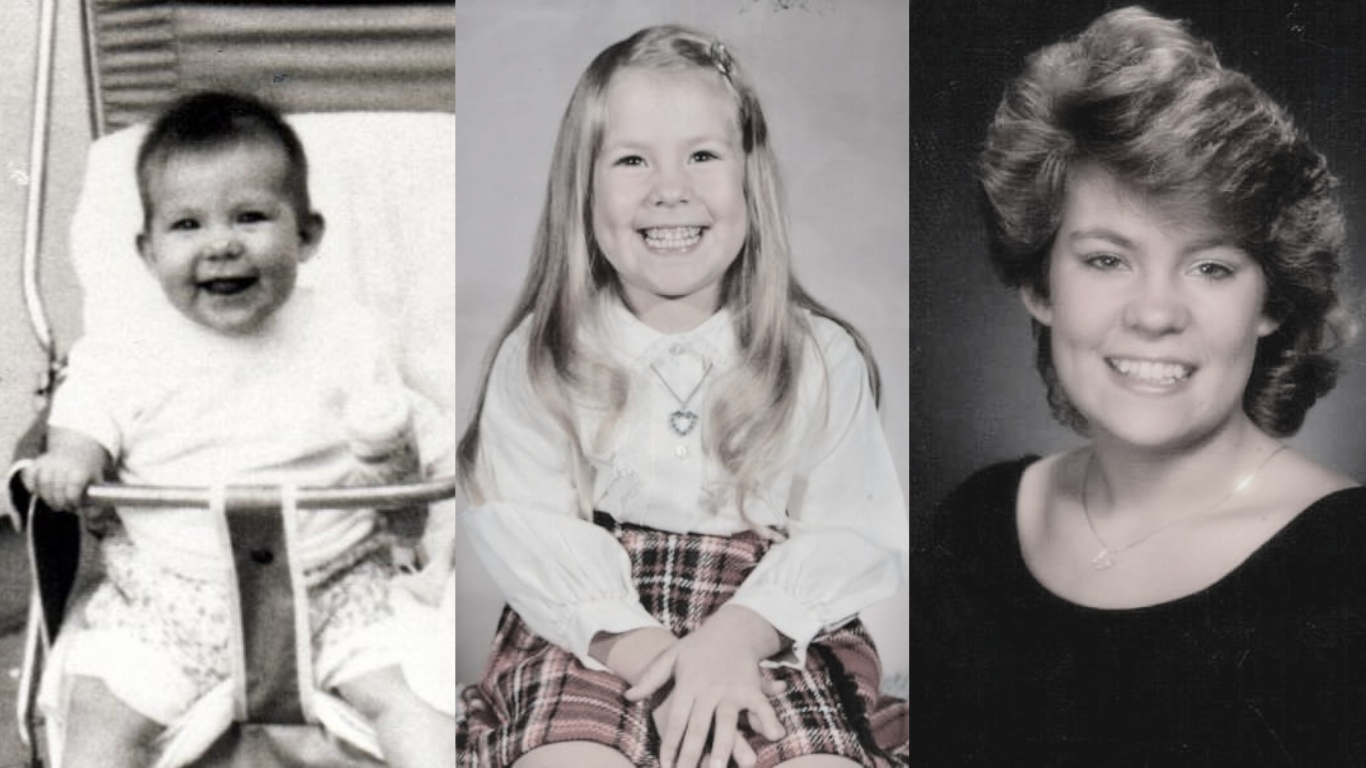
Why "The Path to Grace"?
Because for a long time, I thought healing meant fixing myself.
I believed if I learned enough, understood enough, forgave enough, or healed enough, eventually I would arrive at some place where the past no longer affected me.
What I discovered was something entirely different.
The goal was never to become perfect. The goal was never to erase what happened. The goal was never to wake up one day completely untouched by the experiences which shaped me.
The real work was learning how to hold those experiences differently.
To stop judging myself for the ways I survived.
To stop measuring my worth against wounds I didn't create.
To stop carrying responsibility for things which were never mine to fix while also taking responsibility for the ways my own pain sometimes spilled onto the people around me.
Somewhere along the way, I realized healing had far less to do with perfection and far more to do with grace.
Not grace for everyone else.
Grace for me.
Grace for the woman who was doing the best she could with what she knew at the time. Grace for the mistakes I made while trying to find my way. Grace for the people I hurt before I understood what I was carrying. Grace for the parts of myself still learning, still growing, and still healing.
Because the truth is, healing doesn't erase the past. It helps us understand it. It helps us take responsibility where responsibility belongs and release it where it doesn't.
That's why I named it: The Path to Grace.
Your Path To Grace
Healing is rarely a straight line.
Some stages feel like discovery. Others feel like grief, understanding, release, or acceptance. While everyone's journey will be different, these eight stages provide a framework to help you understand what you've been carrying, reconnect with yourself, and move forward with greater clarity and compassion.
The Mirror
Recognize the beliefs, patterns, and roles which shaped who you became.
The Fracture
Explore the wounds and experiences which taught you how to survive.
The Release
Let go of what no longer belongs to you and move forward lighter.
The Weight
Identify the fears, grief, and expectations still limiting your life.

The Voice
Reconnect with your truth beneath the stories you've inherited.

The Integration
Create a life rooted in truth instead of survival.

The Grace
Offer yourself compassion for the journey, mistakes, and growth.
The Truth
See your story with honesty, awareness, compassion, and clarity.